
Back pain is one of the most common musculoskeletal problems and can develop due to poor posture, prolonged sitting, muscle strain, or underlying spine conditions. It may cause stiffness, reduced mobility, and discomfort that affects everyday activities.
Yoga for back pain is a natural way to improve flexibility, strengthen the muscles that support the spine, reduce muscle tension, and promote better posture. Regular practice of the right yoga asanas for back pain may help relieve mild to moderate back pain and improve overall spinal health.
In this blog, we'll explore the best yoga poses for back pain, how to perform each pose correctly, their benefits, and when you should consult a spine specialist if your back pain persists or becomes severe.
Can Yoga Help with Back Pain?
Yes. Practising yoga for back pain regularly may help improve spinal flexibility, strengthen supporting muscles, reduce muscle tension, and improve posture. Many yoga asanas also encourage relaxation, which can reduce stress-related muscle tightness that contributes to back pain.
Some potential benefits include:
-
Improves flexibility and spinal mobility
-
Strengthens the back and core muscles
-
Helps maintain proper posture
-
Reduces muscle stiffness
-
Improves balance and coordination
-
Promotes relaxation and stress relief
Although yoga poses for back pain can be beneficial for many people, they should be performed correctly and under guidance if you have an existing spine condition.
10 Best Yoga Poses for Back Pain
1. Cat-Cow Pose (Marjaryasana-Bitilasana)
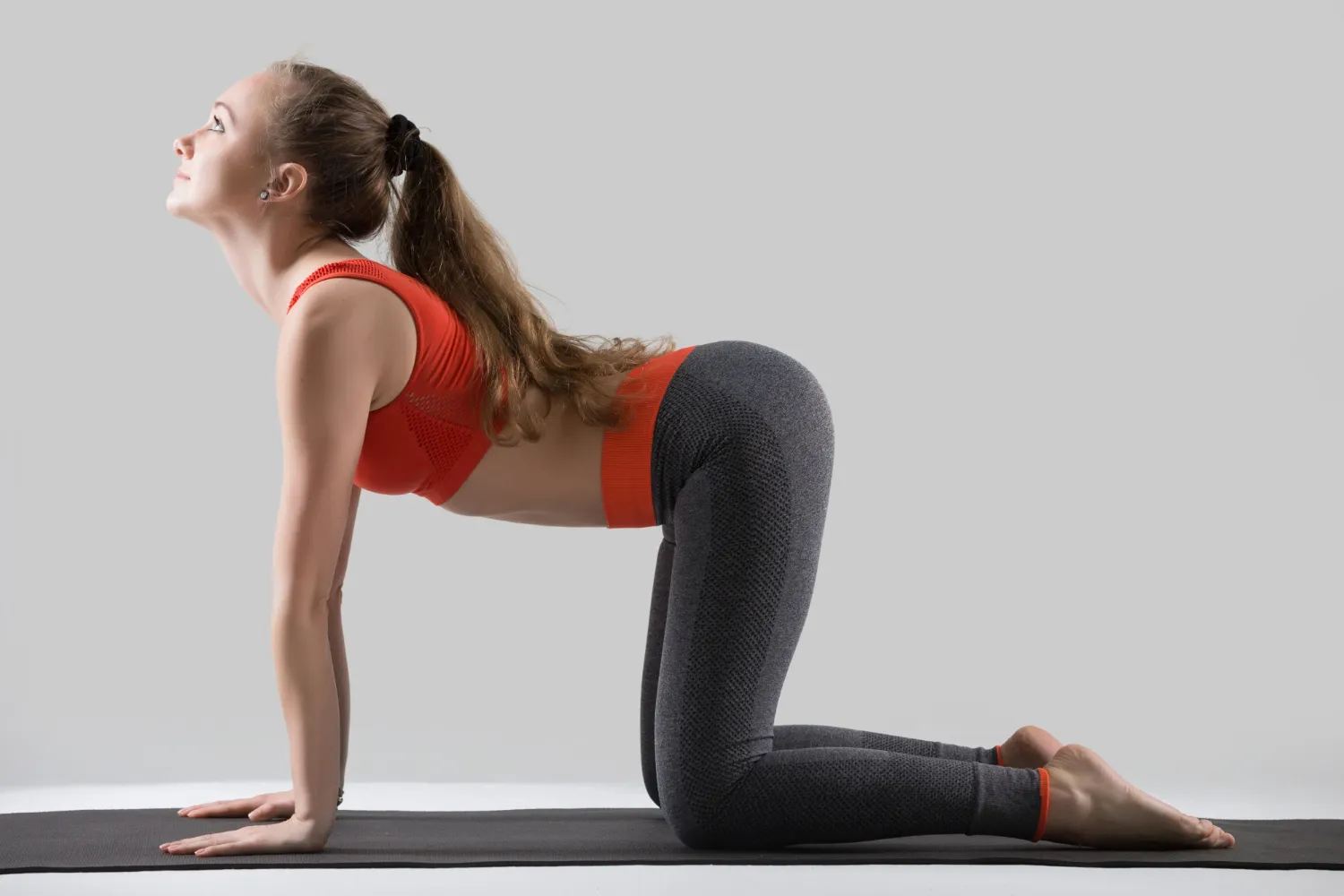
Cat-Cow Pose is one of the best yoga poses for back pain because it gently stretches and mobilises the spine. This dynamic combination of two movements improves flexibility, reduces stiffness, and prepares the back muscles for other exercises.
How to Perform
-
Begin on all fours with your hands directly under your shoulders and your knees under your hips.
-
Inhale while arching your back, allowing your belly to move toward the floor as you lift your head and tailbone (Cow Pose).
-
Exhale while rounding your back, drawing your abdomen toward your spine and tucking your chin toward your chest (Cat Pose).
-
Continue moving slowly between both positions while coordinating your breathing.
-
Repeat for 8–10 slow breaths.
Benefits
-
Improves spinal flexibility and mobility
-
Reduces stiffness in the upper and lower back
-
Helps improve posture
-
Relieves muscle tension
-
Increases blood circulation to the spine
2. Child's Pose (Balasana)
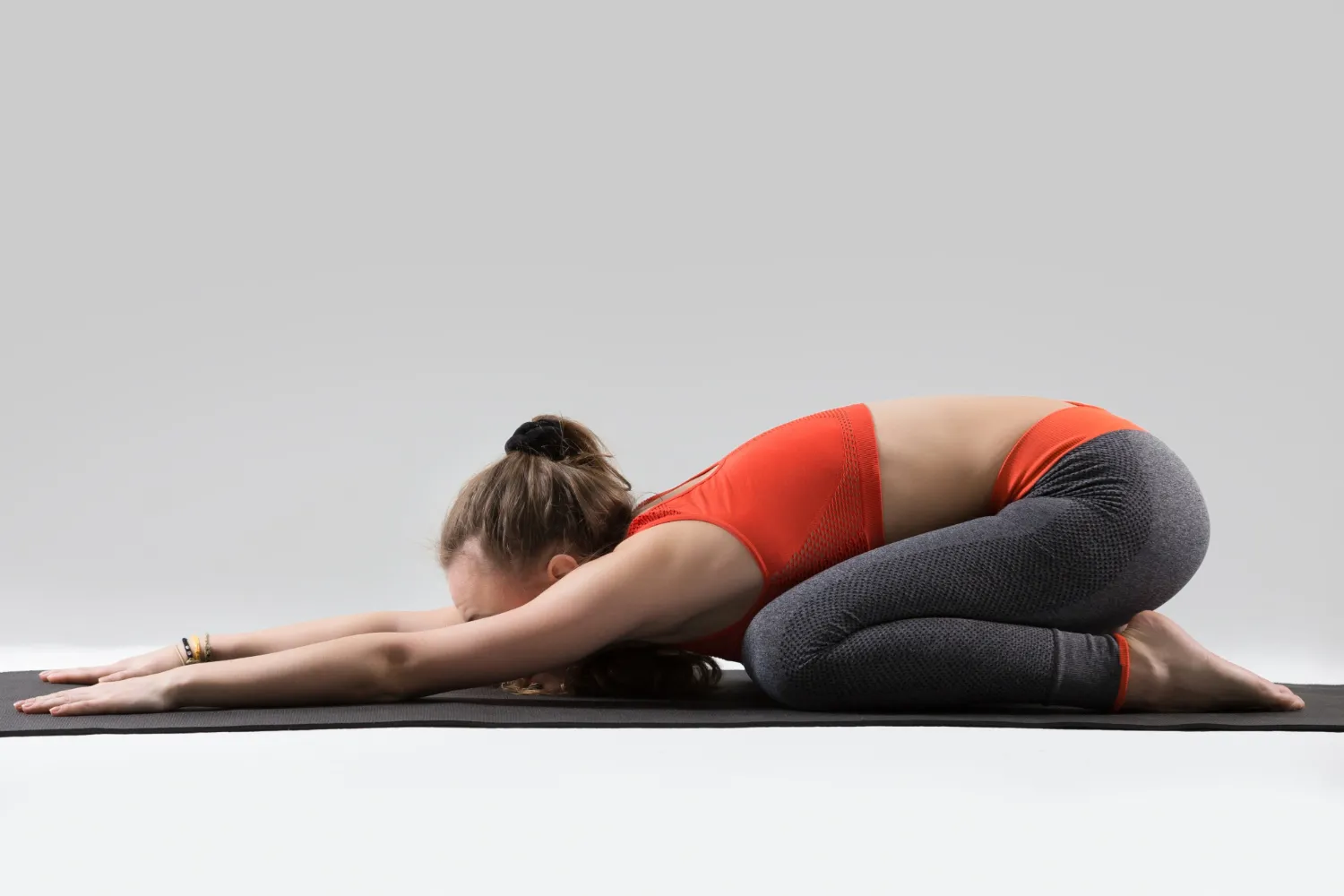
Child's Pose is a gentle resting posture that stretches the lower back, hips, and shoulders. It is one of the most commonly recommended yoga asanas for back pain, especially for people experiencing muscle tightness after long hours of sitting.
How to Perform
-
Kneel on the floor with your big toes touching and your knees slightly apart.
-
Sit back on your heels.
-
Slowly bend forward and extend your arms in front of you.
-
Rest your forehead comfortably on the floor.
-
Breathe deeply and hold the position for 30–60 seconds.
Benefits
-
Gently stretches the lower back
-
Relieves tension in the hips and shoulders
-
Promotes relaxation
-
Improves spinal flexibility
-
Helps reduce stress-related muscle tightness
3. Cobra Pose (Bhujangasana)
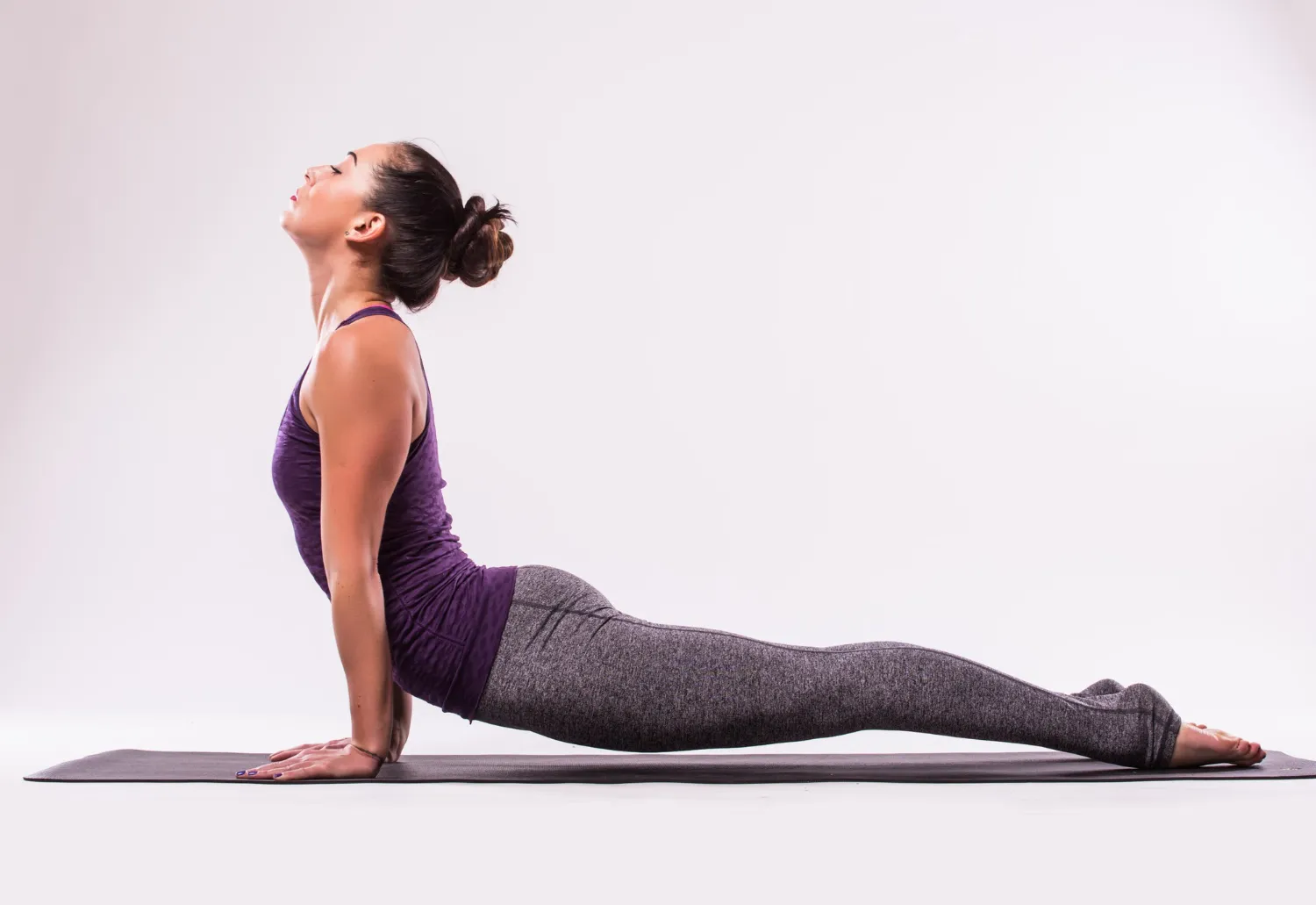
Cobra Pose is a gentle backbend that strengthens the muscles along the spine while improving flexibility. It is among the best yoga poses for back pain when performed correctly and without forcing the movement.
How to Perform
-
Lie face down with your legs extended behind you.
-
Place your palms beneath your shoulders.
-
Press gently into your hands while lifting your chest off the floor.
-
Keep your elbows slightly bent and your shoulders relaxed.
-
Hold the position for 15–30 seconds before lowering slowly.
Benefits
-
Strengthens back muscles
-
Improves spinal flexibility
-
Opens the chest and shoulders
-
Encourages better posture
-
Helps reduce stiffness
4. Bridge Pose (Setu Bandhasana)
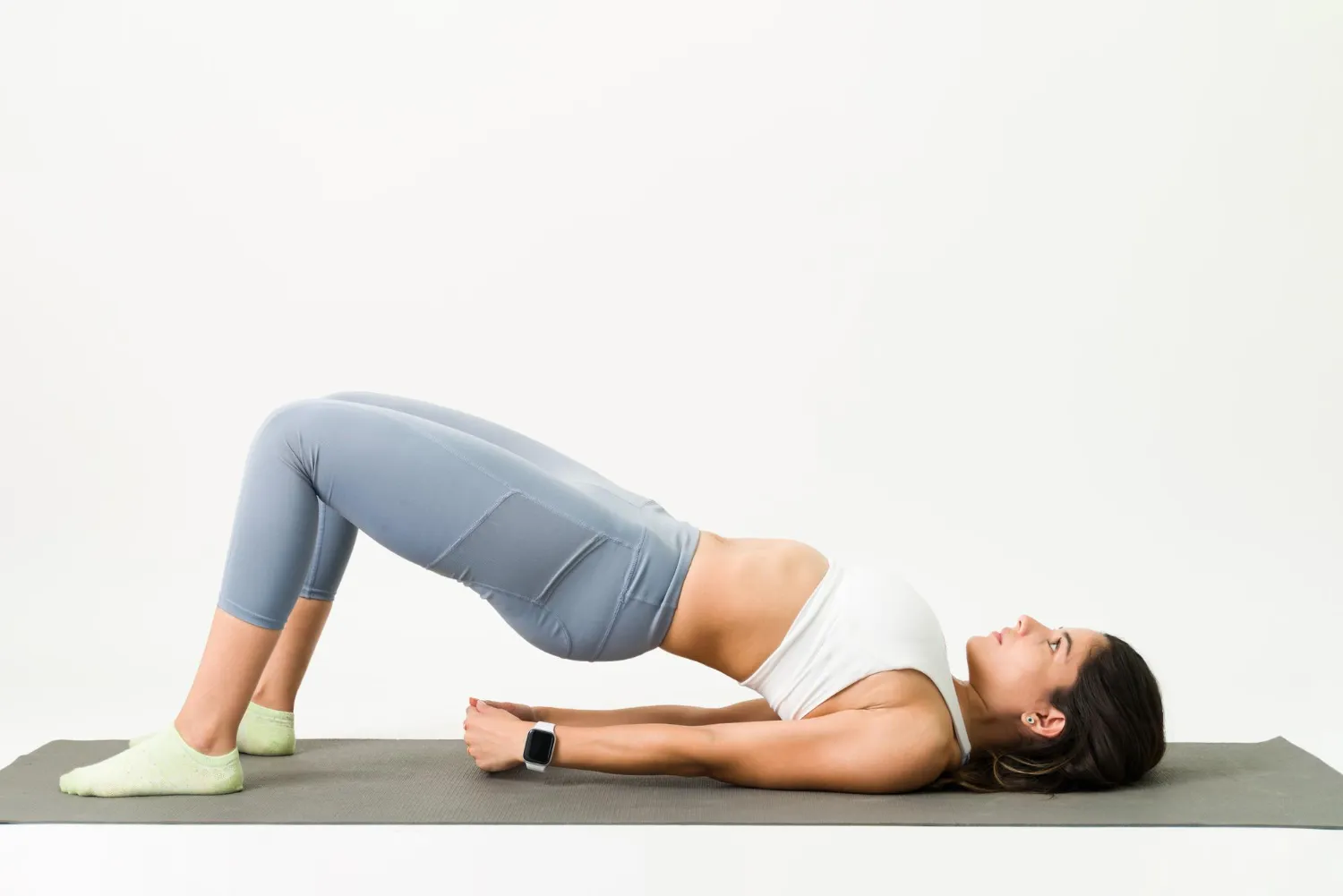
Bridge Pose strengthens the lower back, glutes, and core muscles, which provide essential support for the spine. It is one of the most effective yoga poses for lower back pain when performed with proper technique.
How to Perform
-
Lie on your back with your knees bent and feet flat on the floor.
-
Keep your feet hip-width apart.
-
Press your feet into the floor while lifting your hips upward.
-
Keep your shoulders relaxed and your arms by your sides.
-
Hold for 20–30 seconds before lowering slowly.
Benefits
-
Strengthens the lower back
-
Improves hip flexibility
-
Activates the core muscles
-
Supports spinal stability
-
Helps improve posture
5. Downward-Facing Dog (Adho Mukha Svanasana)
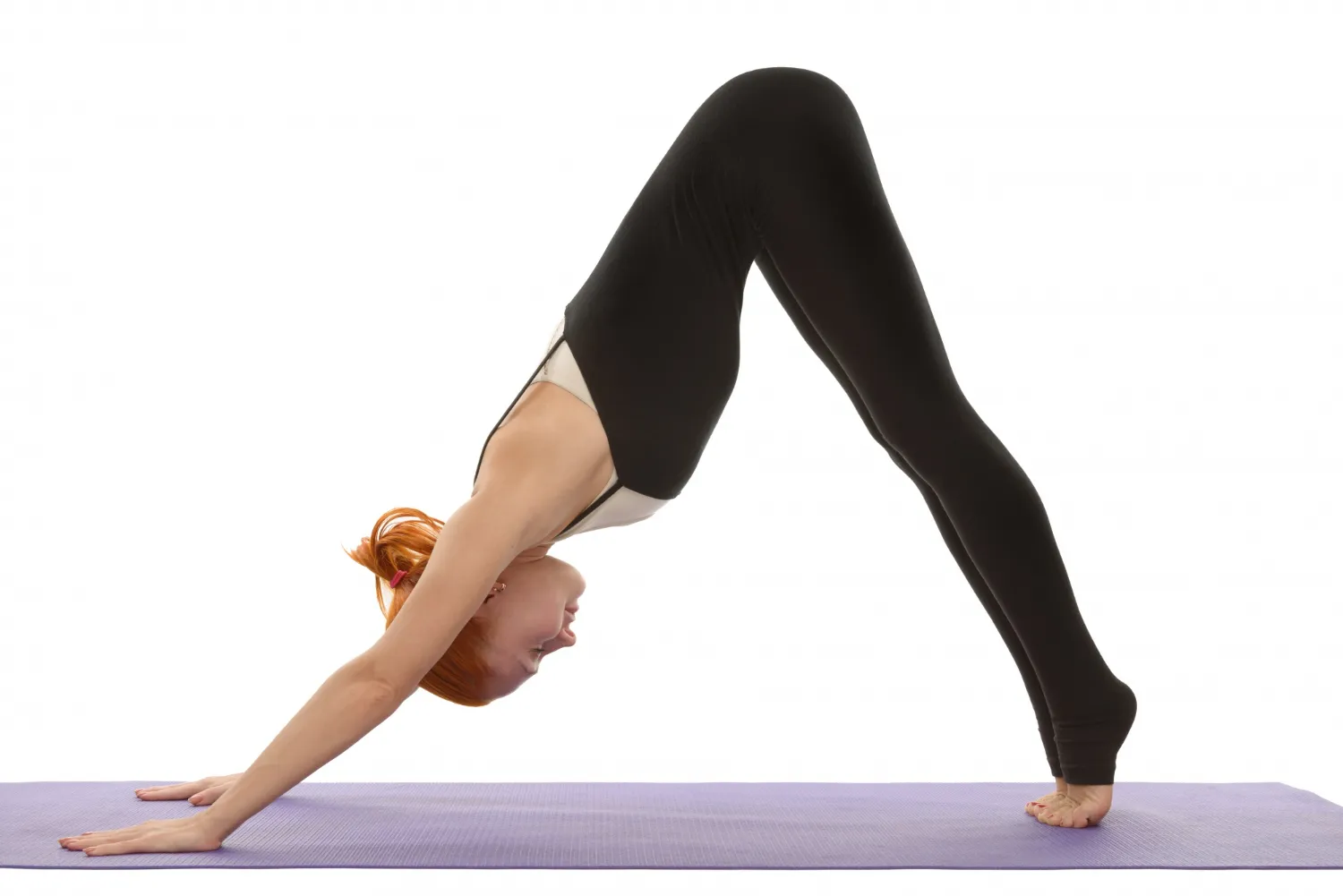
Downward-Facing Dog is a full-body stretch that lengthens the spine while strengthening the shoulders, arms, and legs. It is a popular choice in yoga for lower back pain because it helps reduce muscle tightness throughout the back.
How to Perform
-
Start on your hands and knees.
-
Lift your hips upward to form an inverted "V" shape.
-
Keep your hands shoulder-width apart and your feet hip-width apart.
-
Straighten your legs as much as comfortable without forcing them.
-
Hold the pose for 20–30 seconds while breathing steadily.
Benefits
-
Stretches the entire spine
-
Improves flexibility
-
Relieves back muscle tension
-
Strengthens shoulders and arms
-
Improves posture and balance
6. Supine Spinal Twist (Supta Matsyendrasana)
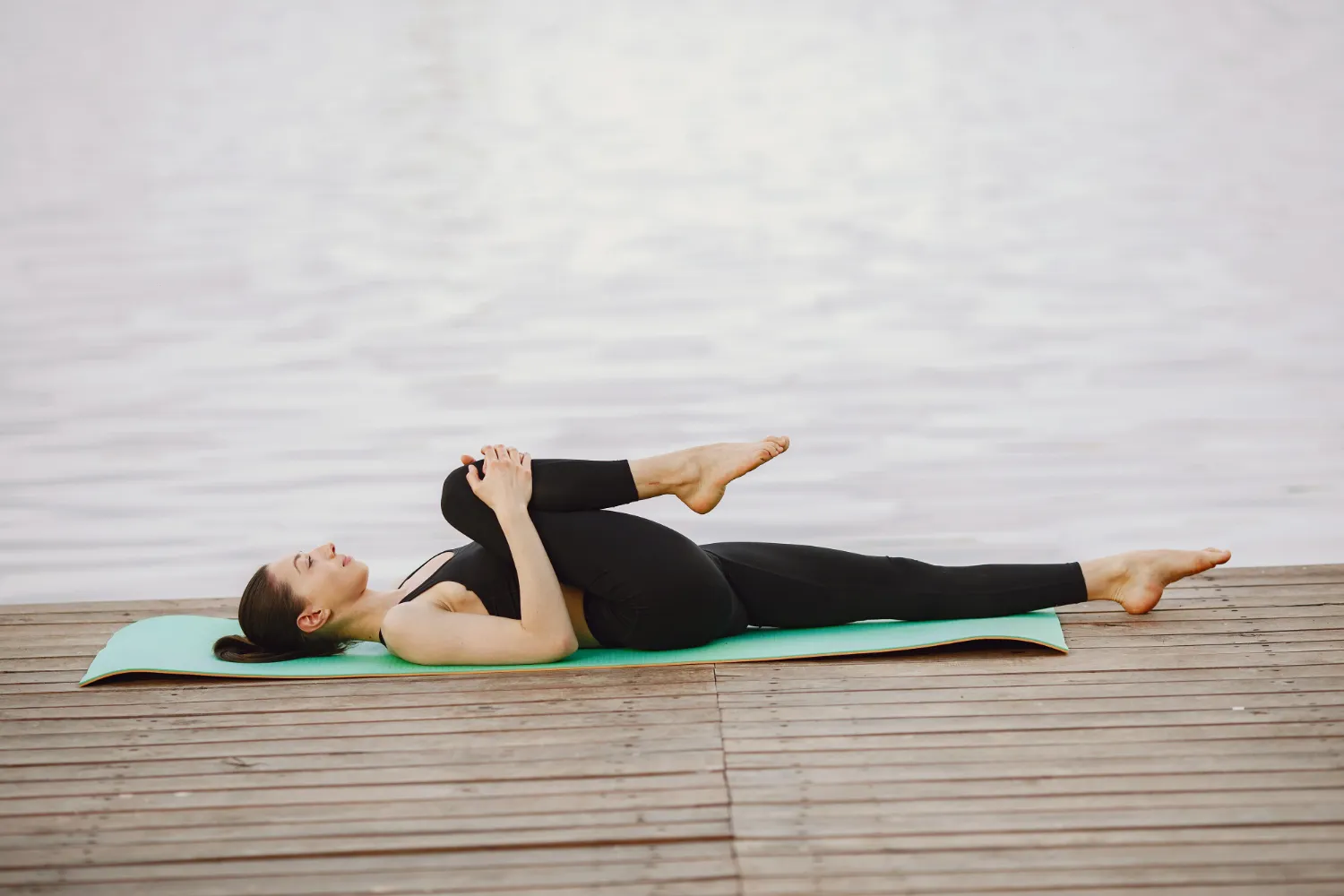
The Supine Spinal Twist is a gentle stretching pose that helps improve spinal mobility and relieve muscle tension. It is one of the most relaxing yoga asanas for back pain, especially after sitting or standing for long periods.
How to Perform
-
Lie flat on your back with your legs extended.
-
Bend your right knee and bring it toward your chest.
-
Slowly move your knee across your body toward the left side while keeping both shoulders on the floor.
-
Extend your right arm out to the side and turn your head to the right, if comfortable.
-
Hold the pose for 20–30 seconds, then repeat on the opposite side.
Benefits
-
Improves spinal flexibility
-
Relieves muscle tension
-
Reduces stiffness in the back
-
Improves mobility
-
Promotes relaxation
7. Knee-to-Chest Pose (Apanasana)
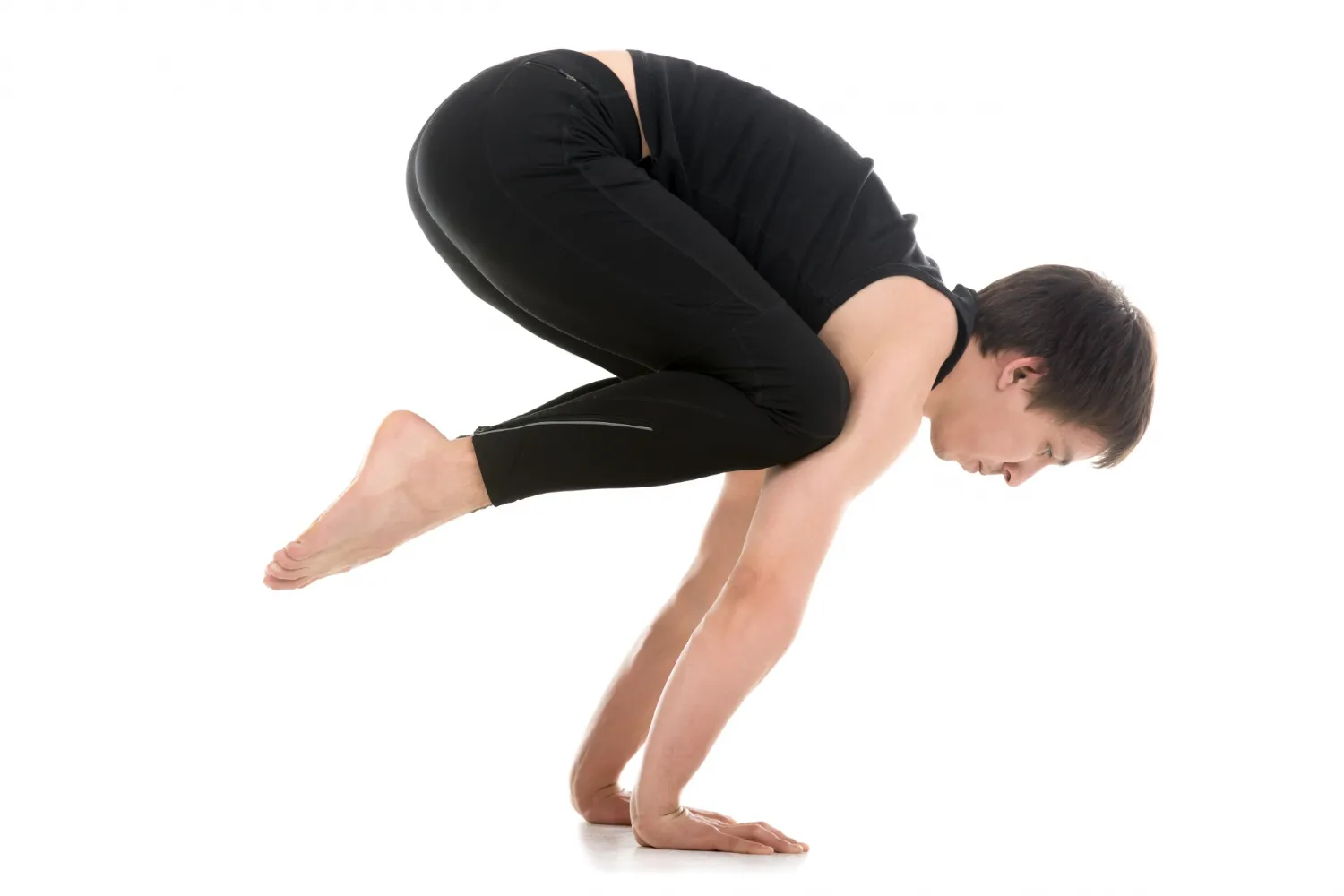
Knee-to-Chest Pose is a simple stretching exercise that helps release tension in the lower back and improves flexibility. It is among the most beginner-friendly yoga poses for lower back pain.
How to Perform
-
Lie on your back with both legs extended.
-
Bend one knee and gently pull it toward your chest.
-
Hold your knee with both hands without forcing the stretch.
-
Keep your other leg straight or bent, whichever feels more comfortable.
-
Hold for 20–30 seconds before switching sides.
Benefits
-
Relieves lower back tightness
-
Stretches the lumbar muscles
-
Improves flexibility
-
Encourages relaxation
-
Helps reduce muscle stiffness
8. Sphinx Pose
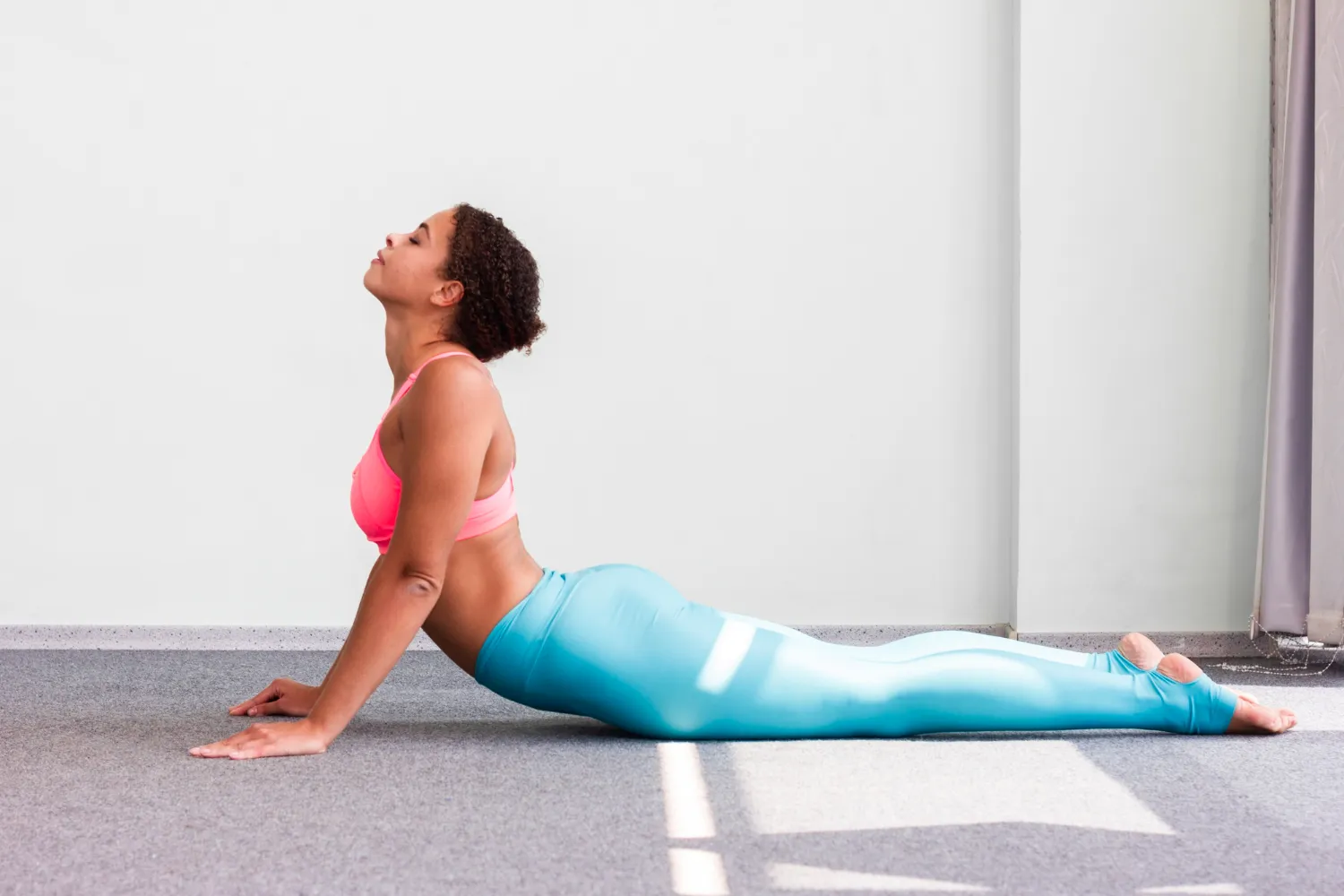
Sphinx Pose is a gentle backbend that strengthens the spine while improving flexibility. It is often recommended as one of the safest asanas for back pain for beginners.
How to Perform
-
Lie face down with your legs extended.
-
Place your elbows directly beneath your shoulders.
-
Press your forearms into the floor and gently lift your chest.
-
Keep your neck relaxed and shoulders away from your ears.
-
Hold the pose for 20–30 seconds while breathing normally.
Benefits
-
Strengthens the lower back
-
Improves posture
-
Enhances spinal flexibility
-
Opens the chest
-
Reduces stiffness
9. Triangle Pose (Trikonasana)
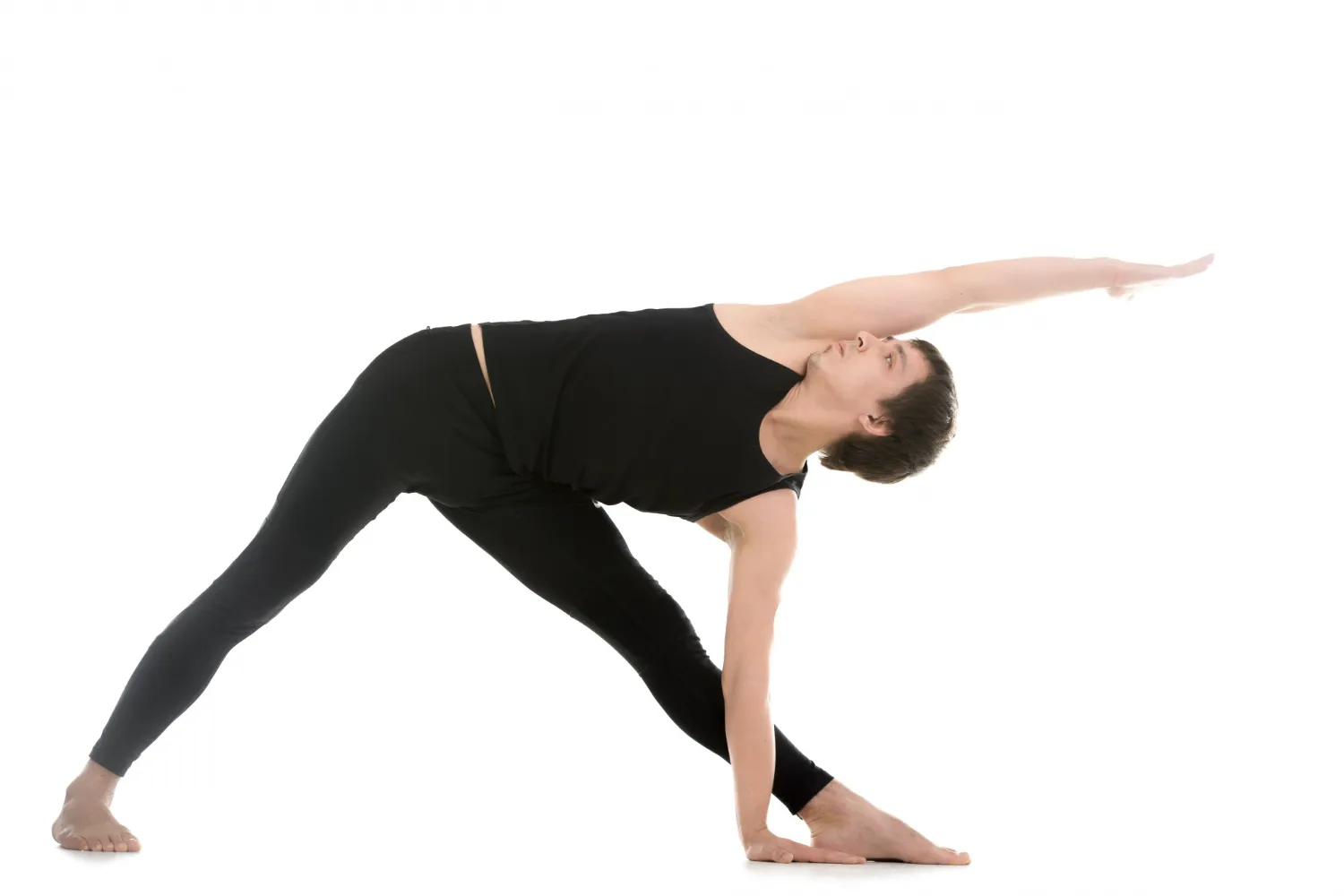
Triangle Pose stretches the sides of the body while improving balance and strengthening the muscles that support the spine.
How to Perform
-
Stand with your feet wide apart.
-
Turn your right foot outward.
-
Extend both arms to shoulder height.
-
Bend sideways toward your right leg and place your hand on your shin or ankle.
-
Extend your opposite arm upward and hold for 20–30 seconds before repeating on the other side.
Benefits
-
Improves flexibility
-
Strengthens the core
-
Supports spinal alignment
-
Improves balance
-
Reduces muscle tightness
10. Standing Forward Bend (Uttanasana)
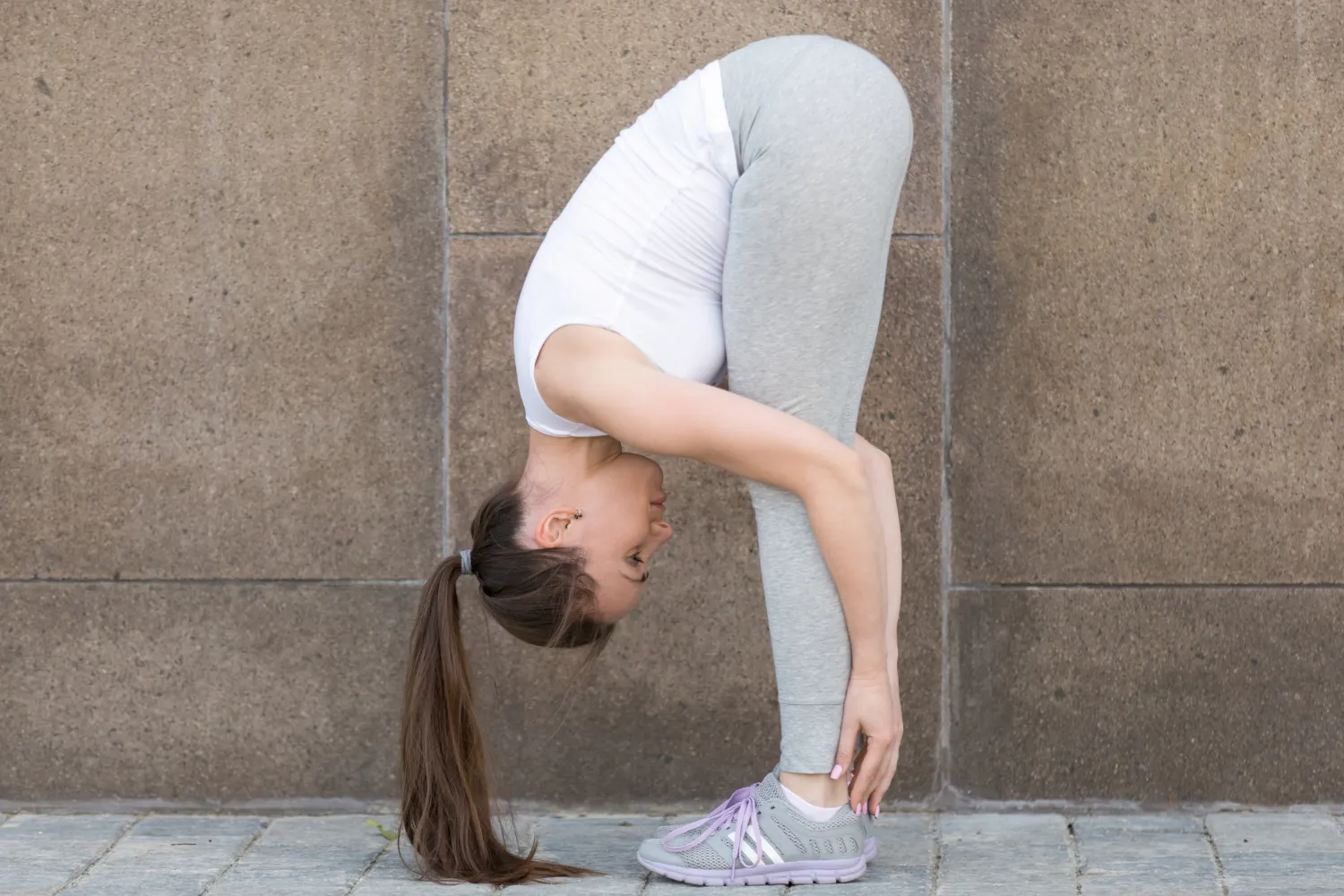
Standing Forward Bend gently stretches the muscles of the back, hips, and hamstrings while promoting relaxation. It is one of the commonly practised yoga poses for back pain when performed carefully.
How to Perform
-
Stand with your feet hip-width apart.
-
Slowly bend forward from your hips.
-
Allow your hands to reach toward the floor or your ankles.
-
Keep your knees slightly bent if needed.
-
Hold for 20–30 seconds while breathing slowly.
Benefits
-
Stretches the spine
-
Improves flexibility
-
Relieves muscle tension
-
Promotes relaxation
-
Helps improve posture
Which Yoga Poses Are Best for Lower Back Pain?
People experiencing discomfort in the lumbar spine often search for yoga poses for lower back pain or yoga for lower back pain. Gentle stretches that improve flexibility and strengthen the muscles supporting the lower back may help reduce stiffness and improve movement.
Some commonly recommended poses include:
-
Cat-Cow Pose
-
Child's Pose
-
Bridge Pose
-
Cobra Pose
-
Knee-to-Chest Pose
These yoga asanas for back pain can be helpful for many people, but they should be practised carefully. If your pain is severe or caused by a slipped disc, spinal stenosis, or another spine disorder, consult a spine specialist before beginning yoga.
When Should You See a Spine Specialist?
While many cases of back pain improve with exercise and lifestyle changes, medical evaluation is important if:
-
Pain lasts longer than two to three weeks.
-
Pain becomes severe or keeps returning.
-
Pain spreads into the arms or legs.
-
You experience numbness, tingling, or weakness.
-
Walking or daily activities become difficult.
-
Pain develops after an injury or accident.
-
You have unexplained weight loss, fever, or bladder and bowel problems.
Early diagnosis helps identify the underlying cause and allows timely treatment.
Conclusion
Practising the best yoga poses for back pain can help improve flexibility, strengthen the muscles supporting the spine, reduce stiffness, and promote better posture. For many people, regular yoga for back pain is an effective way to support spinal health and manage mild to moderate discomfort naturally.
However, yoga should not replace professional medical care if your pain is severe, persistent, or associated with symptoms such as numbness, weakness, or difficulty performing daily activities. Identifying the underlying cause of back pain is essential for choosing the right treatment.
If you are experiencing ongoing back pain or other spine-related symptoms, consult Dr. Dheeraj Batheja, one of the Best Spine Surgeons in Gurgaon, with over 13 years of experience in diagnosing and treating a wide range of spine disorders.
Frequently Asked Questions
1. Is yoga good for back pain?
Yes. Practising yoga regularly may help improve flexibility, strengthen the muscles supporting the spine, reduce stiffness, and improve posture. It can be beneficial for many people with mild to moderate back pain.
2. Which are the best yoga poses for back pain?
Some of the best yoga poses for back pain include Cat-Cow Pose, Child's Pose, Cobra Pose, Bridge Pose, Downward-Facing Dog, Knee-to-Chest Pose, and Sphinx Pose.
3. Can yoga help lower back pain?
Yes. Several yoga poses for lower back pain may help improve flexibility, strengthen the lower back muscles, and reduce stiffness when practised correctly.
4. Can beginners practise yoga for back pain?
Yes. Beginners can start with gentle yoga asanas for back pain under proper guidance. Stop immediately if any pose causes pain or discomfort.
5. How often should I practise yoga for back pain?
For most people, practising yoga 3–5 times per week with proper technique may help improve flexibility and reduce muscle tension. Always consult your doctor before starting if you have a diagnosed spine condition.