Quick Summary: Managing Sciatica During Pregnancy
-
Sciatica-like pain may cause shooting pain, tingling, or numbness extending from the buttock down the leg.
-
Gentle movement, pregnancy-appropriate physiotherapy, and comfortable sleeping positions may help relieve symptoms.
-
Prenatal massage should be gentle and performed by someone trained in pregnancy massage.
-
Use heat or cold carefully, avoiding excessive temperatures and prolonged application.
-
Consult your obstetrician before taking pain medication or starting a new exercise program.
-
New leg weakness, numbness around the groin, or changes in bladder or bowel control require urgent medical assessment.
What Is Sciatica During Pregnancy?
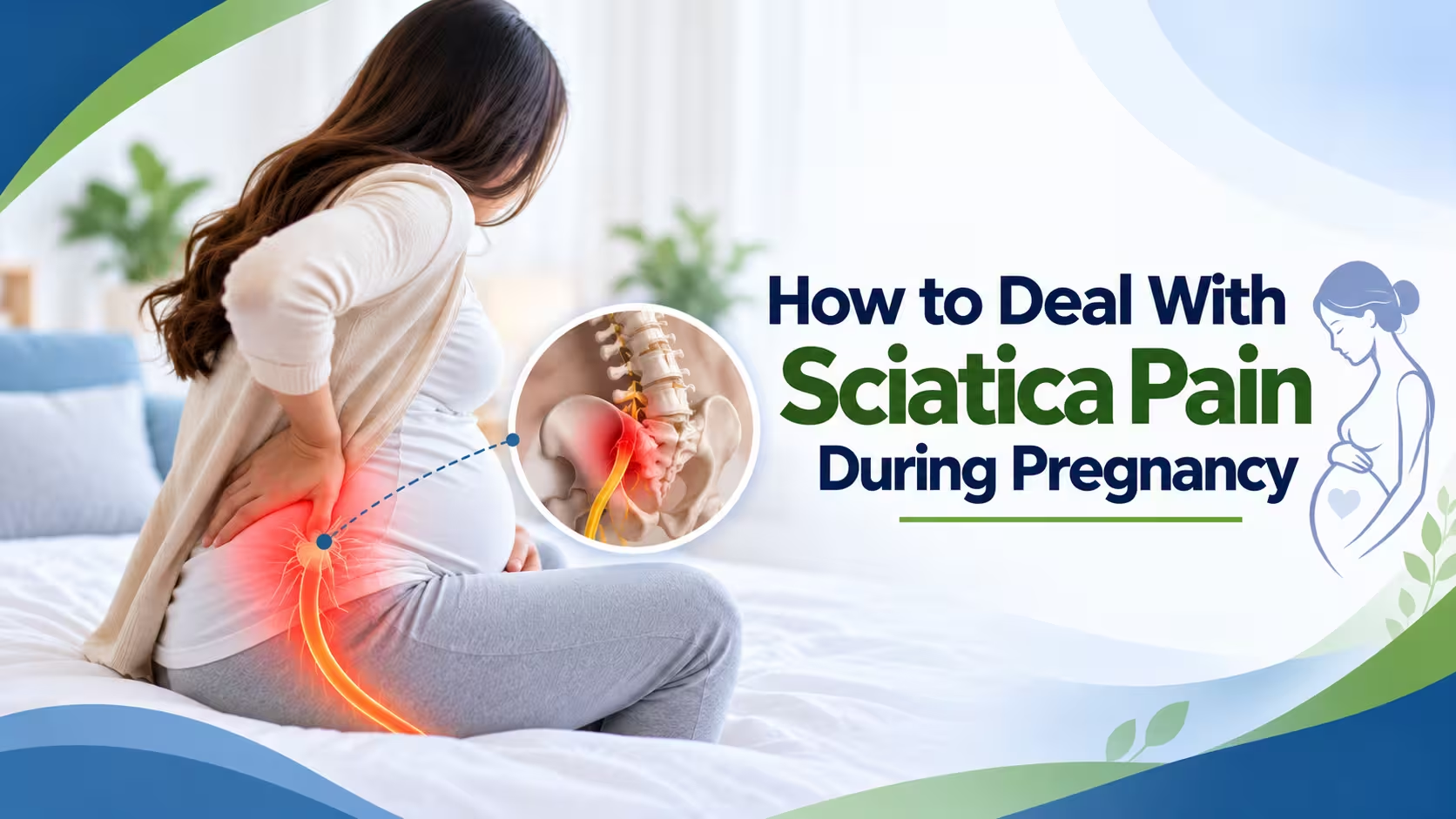
Sciatica refers to pain associated with irritation or compression of the sciatic nerve or its nerve roots. The sciatic nerve originates from nerves in the lower spine, passes through the buttock, and travels down each leg.
When these nerves become irritated, symptoms may include:
-
Sharp or shooting pain in the buttock
-
Pain travelling down one leg
-
Tingling or pins and needles
-
Numbness in parts of the leg or foot
-
Discomfort that becomes worse with certain movements or positions
Sciatica usually affects one side, although symptoms can vary.
During pregnancy, lower back and pelvic pain are also common because the body undergoes changes in weight distribution, posture, and joint mechanics. Pain in the buttock or leg does not automatically mean the sciatic nerve is compressed, so persistent symptoms should be assessed appropriately.
Why Does Sciatica Pain Occur During Pregnancy?
Pregnancy places additional demands on the lower back, pelvis, and surrounding muscles. Several factors may contribute to sciatica-like symptoms.
1. Changes in Posture and Weight Distribution
As pregnancy progresses, the growing abdomen changes the body's centre of gravity. Some women adjust their posture by leaning backward or changing the way they walk.
These changes can increase stress on the lower back and pelvic region, contributing to discomfort.
2. Hormonal Changes
Hormones such as relaxin help the body prepare for childbirth by affecting connective tissues and pelvic ligaments. These changes can influence pelvic stability and movement, although they do not necessarily cause direct sciatic nerve compression.
3. Increased Pressure on the Lower Back
Weight gain and changes in daily movement can place additional demands on the lower back and hips. In some cases, an underlying lumbar disc problem may also contribute to nerve-related symptoms.
4. Muscle Tightness Around the Buttocks
Tight or irritated muscles around the buttock may contribute to pain that resembles sciatica. A healthcare professional can help distinguish muscular pain from symptoms caused by nerve-root irritation.
7 Ways to Relieve Sciatica Pain During Pregnancy
1. Try Gentle, Pregnancy-Appropriate Exercises

Gentle movement may help maintain mobility and reduce muscle stiffness during pregnancy. The best exercises depend on your trimester, symptoms, medical history, and pregnancy-related restrictions.
Possible options, when approved by your healthcare professional, include:
-
Gentle walking
-
Comfortable pelvic movements
-
Pregnancy-adapted mobility exercises
-
Physiotherapist-guided stretching
-
Prenatal exercise designed for your stage of pregnancy
Avoid forcing stretches or continuing a movement that increases shooting leg pain, numbness, or weakness.
If you have pregnancy complications or have been advised to restrict physical activity, speak with your obstetrician before exercising.
2. Use Comfortable Sleeping Positions

A comfortable sleeping position may reduce strain on the lower back and pelvis.
Try these adjustments:
-
Lie on your side with your knees slightly bent.
-
Place a pillow between your knees.
-
Use a pregnancy pillow to support your abdomen if helpful.
-
Keep your hips and shoulders comfortably aligned.
-
Change positions if remaining still increases discomfort.
Side sleeping is commonly recommended later in pregnancy. If you wake up on your back, do not panic; simply turn onto your side and get comfortable again.
The goal is to reduce pressure and improve comfort rather than force yourself into a position that worsens pain.
3. Consider Gentle Prenatal Massage
Gentle massage may help relieve muscular tension in the lower back, hips, and buttocks.
For safety:
-
Choose a massage therapist trained in prenatal massage.
-
Tell the therapist how far along you are.
-
Avoid forceful pressure or deep tissue techniques over painful areas.
-
Do not use massage tools aggressively over the spine or buttock.
-
Stop if massage increases pain, dizziness, or other symptoms.
Massage may help with muscular discomfort, but it cannot reliably correct nerve compression caused by a herniated disc or another spinal condition.
4. Use Heat or Cold Therapy Carefully

Heat or cold may provide temporary relief, depending on the cause of the discomfort.
Cold therapy: A cold pack wrapped in a towel may help soothe a painful area following a minor strain.
Heat therapy: A comfortably warm compress may help relax tight muscles.
Keep these precautions in mind:
-
Avoid applying ice directly to the skin.
-
Use low, comfortable temperatures.
-
Apply packs for short periods, generally around 10–15 minutes.
-
Avoid excessive heat, especially over the abdomen.
-
Never fall asleep with a heating pad in place.
During pregnancy, avoid hot tubs, very hot baths, or other sources of excessive heat that could raise your core body temperature. Ask your healthcare professional if you are uncertain whether heat therapy is suitable for you.
5. Avoid Prolonged Sitting and Change Positions Regularly
Sitting for long periods may aggravate lower back, buttock, or leg discomfort in some people.
To make sitting more comfortable:
-
Use a chair that supports your back.
-
Keep both feet supported.
-
Avoid slouching for prolonged periods.
-
Take regular breaks to stand or walk, if comfortable.
-
Change positions when pain starts to increase.
If driving or sitting at a desk makes symptoms worse, adjust your position and take breaks when safe to do so.
Complete bed rest is not generally recommended for uncomplicated back pain unless your obstetrician advises otherwise.
6. Support Your Back During Daily Activities
Everyday movements can become more demanding as pregnancy progresses.
You can reduce unnecessary strain by:
-
Bending your knees and hips rather than repeatedly bending from your waist.
-
Keeping objects close to your body when lifting.
-
Avoiding heavy lifting when possible.
-
Wearing comfortable, supportive footwear.
-
Using handrails when necessary.
-
Asking for help with physically demanding tasks.
These changes may improve comfort and make daily activities easier while your body adapts to pregnancy.
7. Consult a Physiotherapist or Healthcare Professional
If sciatica-like pain keeps returning or interferes with sleep, walking, or daily activities, professional assessment is important.
A physiotherapist experienced in pregnancy care can recommend suitable movements, posture adjustments, and strategies for managing discomfort.
Your healthcare professional may assess whether symptoms are related to a lumbar disc problem, nerve irritation, pelvic girdle pain, or another condition.
Do not start prescription medication, anti-inflammatory medicines, or new pain treatments during pregnancy without advice from your obstetrician or another qualified healthcare professional.
Which Exercises Should You Avoid During Pregnancy?
There is no single exercise list that applies to every pregnant woman with sciatica. However, avoid or modify movements that cause symptoms to worsen.
Be cautious with:
-
Deep or forceful lower-back stretches
-
Sudden twisting movements
-
Heavy lifting that aggravates pain
-
Aggressive massage or foam rolling over painful areas
-
Exercises that trigger shooting pain down the leg
-
Movements that cause dizziness or loss of balance
Stop exercising and seek advice if you develop worsening numbness, weakness, or significant pain.
If you experience vaginal bleeding, fluid leakage, painful regular contractions, chest pain, or unusual shortness of breath during exercise, stop and contact your maternity care team urgently.
How Long Does Sciatica Last During Pregnancy?
The duration varies according to the underlying cause.
Some women experience temporary discomfort that improves with changes in posture, gentle activity, and pregnancy-appropriate physiotherapy. Others may continue to experience symptoms throughout part of their pregnancy or require further evaluation.
It is not accurate to say that pregnancy-related sciatica always lasts until childbirth. The outlook depends on whether the symptoms arise from muscular or pelvic discomfort, nerve irritation, or an underlying spinal condition.
If pain is persistent, worsening, or limiting your ability to walk or sleep, seek medical assessment rather than waiting for delivery.
When Should You Seek Medical Help?
Most mild muscular aches do not represent an emergency, but certain symptoms need prompt attention.
Contact Your Healthcare Professional If You Have:
-
Persistent pain radiating down one leg
-
Recurrent tingling or numbness
-
Pain that interferes with walking or sleep
-
Difficulty carrying out daily activities
-
Symptoms that continue to worsen despite gentle self-care
Seek Emergency Medical Care If You Develop:
-
New or rapidly worsening leg weakness
-
Numbness around the groin or saddle area
-
New loss of bladder or bowel control
-
Difficulty passing urine associated with neurological symptoms
-
Severe back pain with fever or feeling seriously unwell
During pregnancy, severe back pain accompanied by vaginal bleeding, fluid leakage, regular painful contractions, or other concerning pregnancy symptoms also requires urgent maternity assessment.
Can Sciatica Affect the Baby During Pregnancy?
Sciatica itself generally refers to a nerve-related pain condition and does not automatically mean that the baby is affected.
However, the cause of the pain and any associated symptoms matter. Severe or unexplained pain should be assessed by your healthcare professional, who can determine whether further investigation or treatment is needed.
Do not assume that all back or leg pain during pregnancy is sciatica, particularly if the pain is sudden, severe, or accompanied by other symptoms.
Sciatica Treatment: When Is a Spine Specialist Needed?
If symptoms suggest a spinal cause, a spine specialist may help assess whether there is a lumbar disc problem or nerve compression.
Treatment during pregnancy must take into account the mother's symptoms, stage of pregnancy, overall health, and the safety of any proposed intervention.
Depending on the diagnosis, care may involve pregnancy-adapted physiotherapy, activity modification, or further assessment. Imaging or other interventions are considered when clinically indicated, with appropriate precautions.
For pregnant women, coordination between the obstetrician and any other treating specialist helps ensure that both pregnancy-related and spinal concerns are considered.
About Dr. Dheeraj Batheja
Dr. Dheeraj Batheja is a Spine Surgeon in Gurgaon with 13+ years of experience, having treated 25,000+ patients and performed 5,000+ spine surgeries.
His approach focuses on evaluating the underlying spinal condition and selecting treatment according to each patient's symptoms, neurological findings, imaging, and functional needs.
Patients experiencing a slipped disc, sciatica, persistent back pain, or neck-related nerve symptoms can seek an evaluation to understand their available treatment options.
Frequently Asked Questions
1. How can I relieve sciatica pain during pregnancy naturally?
Gentle movement, comfortable side sleeping, pregnancy-appropriate physiotherapy, regular position changes, and carefully applied heat or cold may help. The safest approach depends on the cause of your symptoms and your stage of pregnancy.
2. Is walking good for sciatica during pregnancy?
Gentle walking may help some women maintain mobility and reduce stiffness. Start with a comfortable duration and stop if walking increases radiating pain, weakness, or other symptoms.
3. Is prenatal massage safe for sciatica?
Prenatal massage may help muscular tension when performed by a therapist trained in pregnancy massage. Avoid forceful pressure and consult your healthcare professional if your pain is severe or unexplained.
4. Can I use a heating pad for sciatica during pregnancy?
A comfortably warm compress may provide temporary relief, but avoid excessive heat and prolonged application. Do not place a hot pack over the abdomen, and avoid anything that raises your core body temperature significantly.
5. What is the best sleeping position for pregnancy sciatica?
Side sleeping with a pillow between the knees may improve comfort for some women. A pregnancy pillow can provide additional support if needed. Choose a position that keeps your body comfortable and does not aggravate the pain.
6. Can pregnancy cause a slipped disc?
Pregnancy does not mean that a slipped disc will develop. However, back pain during pregnancy can have multiple causes, including an existing disc problem. Persistent radiating pain or neurological symptoms should be assessed by a healthcare professional.
7. Does sciatica during pregnancy go away after delivery?
Symptoms may improve as pregnancy-related changes resolve, but recovery is not guaranteed to happen immediately after childbirth. The duration depends on the underlying cause and whether a spinal or nerve problem is present.
8. Which painkillers are safe for sciatica during pregnancy?
Medication safety depends on the medicine, trimester, and individual medical history. Consult your obstetrician before taking painkillers, including over-the-counter products. Do not self-medicate with anti-inflammatory medicines.
9. When should I worry about sciatica during pregnancy?
Seek prompt medical advice for persistent or worsening radiating pain, numbness, or difficulty walking. New weakness, saddle numbness, or bladder or bowel dysfunction requires emergency evaluation.
10. Can physiotherapy help pregnancy-related sciatica?
Yes, pregnancy-adapted physiotherapy may help manage discomfort and improve movement. The treatment should be tailored to the diagnosis, symptoms, and stage of pregnancy.
Final Takeaway
Sciatica-like pain during pregnancy can often be managed with appropriate, pregnancy-safe care. Gentle movement, comfortable sleeping positions, careful heat or cold therapy, activity modification, and physiotherapy may help reduce discomfort.
However, not all pregnancy-related back and leg pain is sciatica, and home remedies cannot address every cause. Speak with your obstetrician if symptoms persist or worsen, and seek emergency care for new weakness, saddle numbness, or bladder and bowel dysfunction.
Medical disclaimer: This article is for educational purposes and does not replace individualized medical advice. Pregnant women should consult their obstetrician or qualified healthcare professional before starting exercises, massage, medication, or other treatments.