+91-9899991218 drdheerajspine@gmail.com
OPD & Surgical Consultations in Gurugram for Noida Patients

OLIF Surgery for Patients from Noida

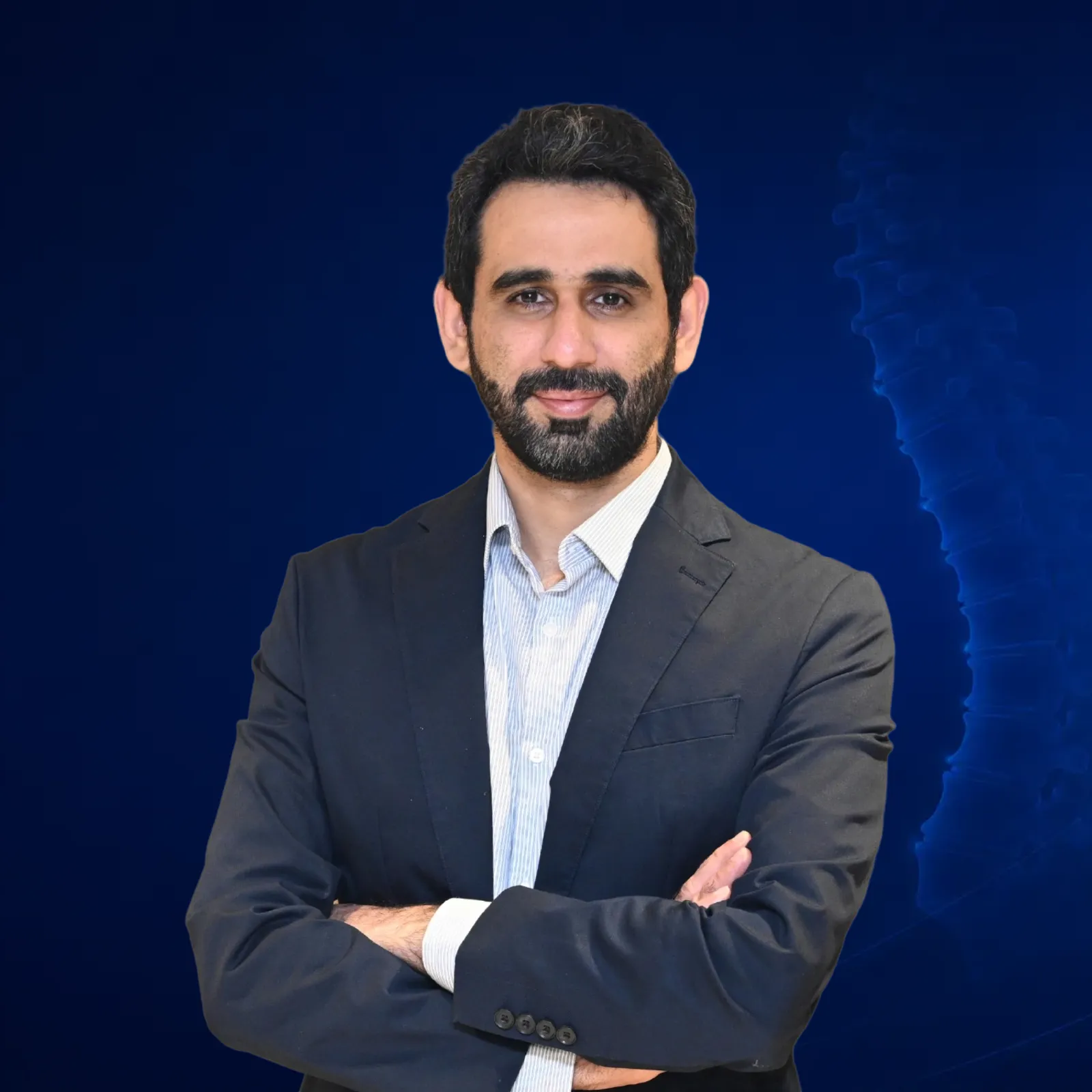
Patients from Noida experiencing persistent lower back pain, radiating leg pain, spinal instability, degenerative disc disease, or lumbar spinal stenosis can consult Dr. Dheeraj Batheja in Gurugram. Dr. Batheja is a Senior Consultant – Ortho Spine Surgery at Artemis Hospitals, Gurugram, with 13+ years of dedicated spine surgery experience and more than 5,000 spine surgeries performed.

Patients from Noida are evaluated and treated in Gurugram, not at a clinic in Noida. The suitability of Oblique Lumbar Interbody Fusion (OLIF) is determined following an extensive assessment of symptoms, neurological status, vascular anatomy, and imaging.

13+ Years Spine Surgery Experience
5,000+ Successful Spine Surgeries
Appointment Request

Consult Dr. Dheeraj Batheja

Senior Consultant – Ortho Spine Surgery

Consultation Clinic (Gurugram): Artemis Hospital Road, Sector 51, Gurugram, Haryana 122018
Dr Dheeraj Batheja - OLIF Spine Surgeon
13+ Years Clinical Experience
5,000+ Spine Surgeries
Clinical Overview

OLIF Surgery for Noida Patients

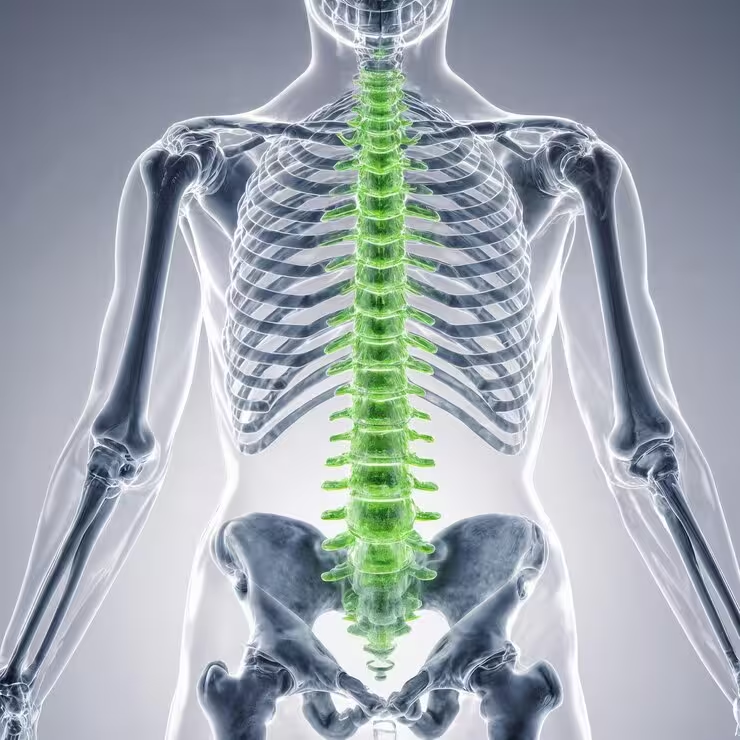
OLIF, or Oblique Lumbar Interbody Fusion, is a state-of-the-art minimally invasive lumbar spine fusion technique used for selected spinal conditions. The procedure uses an oblique corridor between the psoas muscle and the major abdominal blood vessels to access the affected lumbar disc space without stripping posterior back muscles or traversing through muscle fibers.

A specialised large interbody implant (cage) is placed between the vertebrae to restore lost disc height, reconstruct lordosis, provide indirect neural decompression, and promote solid bone fusion. However, OLIF is not appropriate for every patient with back pain or every type of spinal problem. Suitability depends on the clinical diagnosis, spinal alignment, vascular anatomy, bone density, and overall health.
Notice for Patients Travelling from Noida: Dr. Dheeraj Batheja conducts consultations and performs OLIF surgeries exclusively in Gurugram (Artemis Hospital Road, Sector 51, Haryana 122018). Patients travelling from Noida sectors, Greater Noida, and across the Expressway can easily reach the clinic via DND Flyway / Kalindi Kunj and NH-48. Noida = patient location; Gurugram = consultation and treatment centre.
Travel Catchment from Noida & Surrounding Areas
Sector 18 Sector 62 Sector 50 Sector 75–76 Sector 128 Greater Noida Delhi-NCR
Book Consultation in Gurugram
Oblique Lumbar Interbody Fusion (OLIF) Pre-Psoas Working Corridor Disc Height Restoration Indirect Neural Decompression Degenerative Spondylolisthesis Posterior Muscle Preservation Lumbar Spinal Instability Adult Spinal Deformity Correction Large Footprint Fusion Cages Minimally Invasive Spine Fusion
Surgical Methodology

What Is OLIF Surgery & How Does It Work?

OLIF stands for Oblique Lumbar Interbody Fusion. In OLIF surgery, the surgeon accesses the lumbar spine through an oblique natural corridor from the front-side of the body rather than cutting through posterior back muscles.

The Oblique Pre-Psoas Approach

By operating through the anatomical corridor between the anterior great vessels and the psoas muscle, OLIF provides direct access to the disc space without traumatizing the lumbar plexus nerves located within the muscle belly.

Restores Lost Disc Height:

Allows placement of large-footprint cages that reconstruct collapsed disc spaces and open neural foramina.

Preserves Posterior Musculature:

Eliminates extensive stripping and denervation of paraspinal muscles, significantly reducing post-op back spasms.

Re-aligns Lordosis & Sagittal Balance:

Corrects degenerative coronal and sagittal deformities with anatomical lordotic implants.

What Is Indirect Decompression in OLIF?

One of the most valuable features of OLIF is its capacity to relieve nerve compression without directly cutting bone off the spinal canal:

Ligamentotaxis: Distracting the collapsed disc space pulls taut the redundant and buckled ligamentum flavum, expanding the central canal volume.
Foraminal Expansion: Elevating disc height directly enlarges the height and width of neuroforamina, unpinning exiting nerve roots.
Slip Reduction: The oblique cage repositioning helps reduce spondylolisthesis slips and opens spinal neural passages.
Clinical Correlation:

Indirect decompression avoids entering the scarred epidural canal. However, severe bony lateral recess stenosis or extruded disc fragments may still require supplemental direct microscopic decompression.

Pathologies Treated

Conditions Considered for OLIF Surgery

Dr. Dheeraj Batheja evaluates selected lumbar spine conditions to establish whether an oblique approach is the optimal clinical solution.

Degenerative Disc Disease

Occurs when intervertebral discs undergo progressive dehydration and structural deterioration, leading to disc-space collapse and chronic discogenic low back pain. In cases failing conservative therapy where fusion is indicated, OLIF restores disc height and biomechanical stability.

Lumbar Spinal Instability

Disruption of normal segmental stability caused by disc degradation, facet arthrosis, or previous decompressive surgery. When motion creates mechanical pain and functional deficit, OLIF establishes rigid multi-column stabilization across the segment.

Spondylolisthesis

Occurs when one lumbar vertebra slips forward over the vertebra below (Grade I or II degenerative or isthmic spondylolisthesis), causing root compression, back pain, and neurogenic claudication. OLIF allows realigning the slip while fusing the unstable segment.

Lumbar Spinal Stenosis

Narrowing around neural passageways causing buttock and leg pain upon standing or walking (claudication). In selected patients requiring fusion, OLIF achieves indirect decompression of canal spaces without disrupting the posterior tension band.

Degenerative Scoliosis & Deformity

Asymmetrical disc collapse creates degenerative curvature and postural imbalance. OLIF cages span across the apophyseal ring bilaterally, enabling powerful coronal leveling and sagittal balance restoration with reduced blood loss.

Adjacent Segment & Revision Fusion

When adjacent levels degenerate after a prior fusion, re-entering a scarred posterior corridor carries elevated risks of durotomy. OLIF utilizes an untouched anterior-oblique corridor, creating clean surgical access.

Surgical Comparison

OLIF vs. TLIF: Choosing the Right Fusion Approach

OLIF and TLIF are both established lumbar interbody fusion techniques. Neither procedure is universally superior; the ideal technique depends on individual spinal anatomy, alignment goals, and the nature of neural compression.

OLIF (Oblique Fusion)

Anterior-Oblique Access
  • Approach: Natural corridor between psoas muscle and great vessels
  • Muscle Impact: Bypasses posterior paraspinal muscles entirely during cage insertion
  • Cage Footprint: Allows large interbody cages resting on dense cortical bone margins
  • Lordosis Correction: Excellent capacity to re-establish segmental and overall lordosis
  • Decompression Mode: Relies primarily on powerful indirect decompression
  • Ideal For: Spondylolisthesis, degenerative scoliosis, collapsed disc spaces

TLIF (Transforaminal Fusion)

Posterior Access
  • Approach: Posterior corridor through the facet joint and foramen
  • Muscle Impact: Requires posterior muscle retraction or tubular muscle splitting
  • Cage Footprint: Smaller cage inserted past retracted nerve roots into the disc
  • Lordosis Correction: Moderate lordosis restoration depending on facet release
  • Decompression Mode: Enables direct, visible laminectomy and root unroofing
  • Ideal For: Severe direct canal stenosis, free disc fragments, L5-S1 pathology
Clinical Protocol

Candidate Evaluation & Pre-Surgical Planning

Selection Criteria

Who May Be a Candidate for OLIF?

A patient should not undergo OLIF simply because an MRI reveals degenerate discs. OLIF is considered when:

Structural lumbar condition requiring fusion
Symptoms persistent despite exhaustive conservative care
Degenerative disc disease with collapsed disc spaces
Documented dynamic or static spinal instability
Selected spondylolisthesis requiring realignment
Suitable retroperitoneal corridor on cross-sectional scans
Patient exhibits adequate bone mineral density to prevent cage subsidence
Anatomical Check: Patients with high Iliac crests at L4-L5, previous left-sided retroperitoneal surgeries, or anomalous vascular anatomy require individualized risk review.
Diagnostic Protocol

How Is OLIF Surgery Planned?

Careful multi-modality diagnostic planning guarantees procedural safety and precision:

1

MRI Evaluation of Disc & Vascular Corridor

Evaluates disc degeneration, neural compression, and the distance between the left psoas margin and the abdominal aorta/iliac vessels.

2

Standing & Dynamic Flexion-Extension X-Rays

Evaluates sagittal balance, pelvic incidence, lumbar lordosis, and dynamic mobility between segments.

3

High-Resolution CT Scan & Bone Density (DEXA)

Assesses endplate architecture, osteophytes, facet fusion, and bone quality to ensure stable graft integration.

4

Comprehensive Neurological Examination

Documents motor strength, sensory distribution, reflex changes, and neurogenic claudication distance.

Comprehensive Workup: Surgical planning balances biomechanical stability with neurovascular safety before choosing the access corridor.
Surgical Steps

How OLIF Surgery Is Performed

A sequential overview of the procedural workflow performed by Dr. Dheeraj Batheja in Gurugram.

01

Precise Surgical Planning

Under fluoroscopic guidance, the exact diseased lumbar disc level is localized with the patient positioned safely on their side.

02

Oblique Corridor Access

A small incision (3–5 cm) is made on the flank. Soft tissues are gently divided into the retroperitoneal space anterior to the psoas.

03

Complete Disc Clearing

The collapsed intervertebral disc is evacuated, and endplates are thoroughly prepared without damaging the supportive subchondral bone.

04

Interbody Implant Placement

A large-footprint lordotic cage filled with osteoinductive bone graft is placed across the disc space, restoring disc height and unpinning nerves.

05

Percutaneous Posterior Fixation

To secure the reconstructed segment, minimally invasive percutaneous pedicle screws and rods are placed through keyhole punctures.

06

Biological Bone Fusion

The large graft chamber allows solid, bridge-like bone fusion to mature across the disc space over the following months.

Doctor Credentials

Why Choose Dr. Dheeraj Batheja for OLIF Surgery?

Dr. Dheeraj Batheja is a Senior Consultant – Ortho Spine Surgery at Artemis Hospitals, Gurugram, specializing in minimally invasive interbody fusion techniques including OLIF, TLIF, ALIF, DLIF, and endoscopic spine surgery.

Dr Dheeraj Batheja - OLIF Spine Surgeon Senior Consultant – Artemis Hospitals

13+ Years of Dedicated Spine Surgery Experience

Experience

Extensive experience in managing complex spinal deformities, instability, radiculopathy, and spondylolisthesis using modern motion-sparing and fusion protocols.

5,000+ Spine Surgeries Performed

Track Record

His clinical practice has successfully performed thousands of complex open, minimally invasive, and keyhole spine surgeries with rigorous surgical outcomes.

Comprehensive Multi-Corridor Fusion Expertise

Specialization

Proficient in all major approaches to the lumbar spine: OLIF, ALIF, TLIF, DLIF, PLIF, and PLF. This ensures that the surgical approach is selected based on the patient's individual anatomy, rather than forcing a single approach.

International Spine Fellowships & AO Spine Diploma

Credentials

Qualifications include MBBS from Maulana Azad Medical College (MAMC), MS Orthopaedics from UCMS & GTB Hospital, DNB, MNAMS, MRCS (UK), 2+ years of spine surgical training at Robert Jones and Agnes Hunt Orthopaedic Hospital in the UK, and an AO Global Spine Diploma.

Individualized Surgical Planning

Philosophy

OLIF is only advised when non-surgical treatments have proven inadequate and anatomical criteria confirm that an oblique corridor offers superior safety and efficacy compared to posterior alternatives.

Post-Surgical Care

Recovery After OLIF Surgery

Recovery after OLIF depends on the number of levels fused, whether supplemental posterior screw fixation was utilized, individual bone density, and overall health. Because OLIF preserves the posterior musculature, early mobilization is typically faster than traditional open posterior surgery.

Understanding the Fusion Process:
  • Early Wound Healing (Weeks 1–4): Incisions heal, post-op soreness resolves, and patients walk with supportive lumbar belts.
  • Biological Fusion (Months 3–9): Solid bone fusion takes months to mature across the interbody cage. Strenuous bending, twisting, and heavy lifting are restricted until verified.
  • Rehabilitation: Targeted core-strengthening and postural physiotherapy are initiated under physician guidance.
Travelling from Noida? Bring previous MRI, CT scans, standing dynamic X-rays, and prescriptions for a comprehensive one-visit consultation. Call Clinic
Location Clarification

OLIF Surgery in Gurugram for Patients from Noida

Patients from Noida can travel to Gurugram for specialist consultation, diagnostic review, and OLIF surgery with Dr. Dheeraj Batheja. Dr. Batheja does not operate an OLIF surgical facility in Noida; all evaluations and advanced spine procedures are conducted at Artemis Hospitals in Gurugram.

The distinction is clear: Noida = patient location, while Gurugram = consultation and treatment location. Patients travelling from Noida sectors, Greater Noida, and across the Expressway can easily reach Sector 51, Gurugram via DND Flyway / Kalindi Kunj and NH-48.

Consultation Location: Artemis Hospital Road, Sector 51, Gurugram, Haryana 122018

Sector 15 Sector 18 Sector 27 Sector 29 Sector 34 Sector 37 Sector 44 Sector 50 Sector 51 Sector 62 Sector 75 Sector 76 Sector 93 Sector 104 Sector 128 Greater Noida Gurugram
Patient Guidance

Frequently Asked Questions

Comprehensive answers regarding OLIF surgery, indirect decompression, candidate criteria, and travel from Noida to Gurugram.

OLIF stands for Oblique Lumbar Interbody Fusion. It is a minimally invasive lumbar fusion technique that uses an oblique corridor between the psoas muscle and the major abdominal blood vessels to access the affected disc space.

Yes. Patients from Noida can consult Dr. Dheeraj Batheja in Gurugram for evaluation of lumbar spine conditions that may require fusion, including selected cases where OLIF is indicated.

No. His listed practice and hospital location is in Gurugram at Artemis Hospitals. Patients from Noida travel to Gurugram for consultation and surgical treatment.

OLIF may be considered for selected cases of degenerative disc disease, lumbar spinal instability, spondylolisthesis, certain spinal deformities, loss of disc height, and some cases of lumbar spinal stenosis.

Yes. OLIF is generally considered a minimally invasive lumbar fusion technique because it reaches the spine through a small flank incision without stripping the major posterior back muscles or cutting bone off the spinal canal.

Not necessarily. OLIF and TLIF are different surgical approaches. The appropriate technique depends on the patient's diagnosis, anatomy, spinal alignment, nerve compression, bone density, and surgical goals.

OLIF may be considered for selected cases of lumbar spinal stenosis, particularly when fusion and restoration of disc height or alignment provide indirect decompression. Some patients with severe fixed bony narrowing may require direct posterior decompression instead.

Yes. OLIF is an interbody fusion procedure. The objective is to place a bone-graft-filled implant into the disc space to establish structural stability and allow solid bone fusion to develop across the treated vertebrae.

Depending on the case, evaluation includes an MRI, CT scan, and standing dynamic X-rays alongside physical and neurological examinations. The surgeon also evaluates the vascular anatomy and retroperitoneal corridor on cross-sectional scans.

Recovery varies depending on the number of levels treated, whether posterior fixation was added, and individual healing. Initial wound recovery and mobilization occur over a few weeks, while solid biological bone fusion takes several months.

Bring previous MRI scans, CT scans, standing dynamic X-rays, prescriptions, and any previous spine surgery records to ensure a thorough evaluation.

Patients from Noida can consult Dr. Dheeraj Batheja at Artemis Hospital Road, Sector 51, Gurugram, Haryana 122018.

Take the Next Step

Consult Dr. Dheeraj Batheja in Gurugram

If you have persistent lower back pain, radiating leg pain, spinal instability, degenerative disc disease, spondylolisthesis, or lumbar spinal stenosis, specialist evaluation can help determine whether surgery is necessary and which surgical approach is most appropriate. Patients from Noida can consult Dr. Dheeraj Batheja in Gurugram for individualized evaluation and advanced surgical treatment.

Consultation Clinic: Artemis Hospital Road, Sector 51, Gurugram, Haryana 122018