+91-9899991218 drdheerajspine@gmail.com
OPD & Surgical Consultations in Gurugram for Gwalior Patients

Endoscopic Spine Surgery for Patients from Gwalior

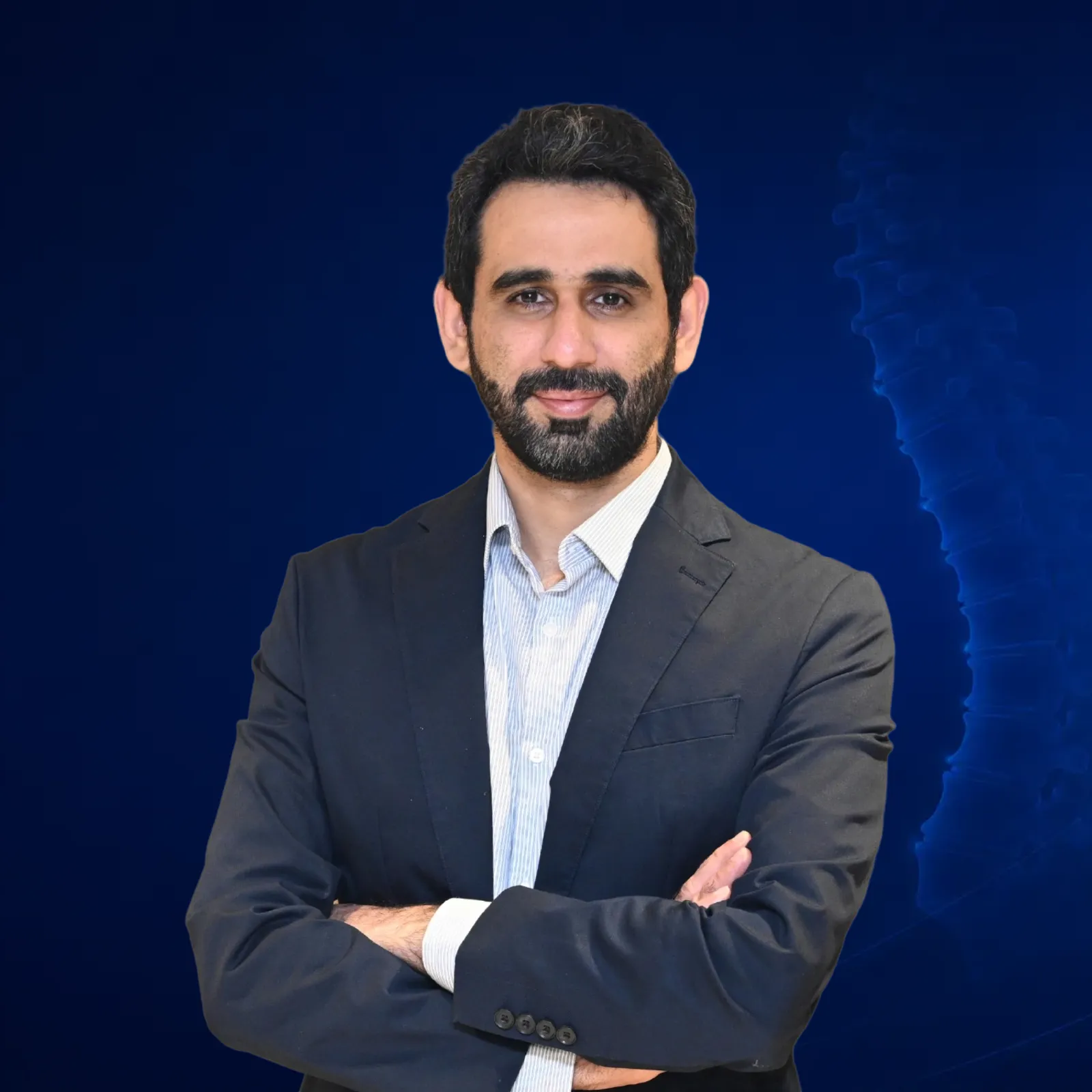
If you are experiencing persistent back pain, leg pain, sciatica, numbness, tingling, or symptoms related to a slipped disc or nerve compression, endoscopic spine surgery may be an option for selected patients. Dr. Dheeraj Batheja is a Senior Consultant – Ortho Spine Surgery at Artemis Hospitals, Gurugram, with 13+ years of dedicated spine surgery experience and more than 5,000 spine surgeries performed.

Patients from Gwalior can consult Dr. Dheeraj Batheja in Gurugram. Endoscopic spine surgery is performed in Gurugram, not in Gwalior. The suitability of endoscopic surgery is determined after carefully evaluating the patient's symptoms, clinical examination findings, and imaging.

13+ Years Dedicated Spine Experience
5,000+ Successful Spine Surgeries
Appointment Request

Consult Dr. Dheeraj Batheja

Senior Consultant – Ortho Spine Surgery

Consultation Clinic (Gurugram): Artemis Hospital Road, Sector 51, Gurugram, Haryana 122018
Dr Dheeraj Batheja - Endoscopic Spine Surgeon
13+ Years Clinical Experience
5,000+ Spine Surgeries
Clinical Overview

Endoscopic Spine Care for Gwalior Patients

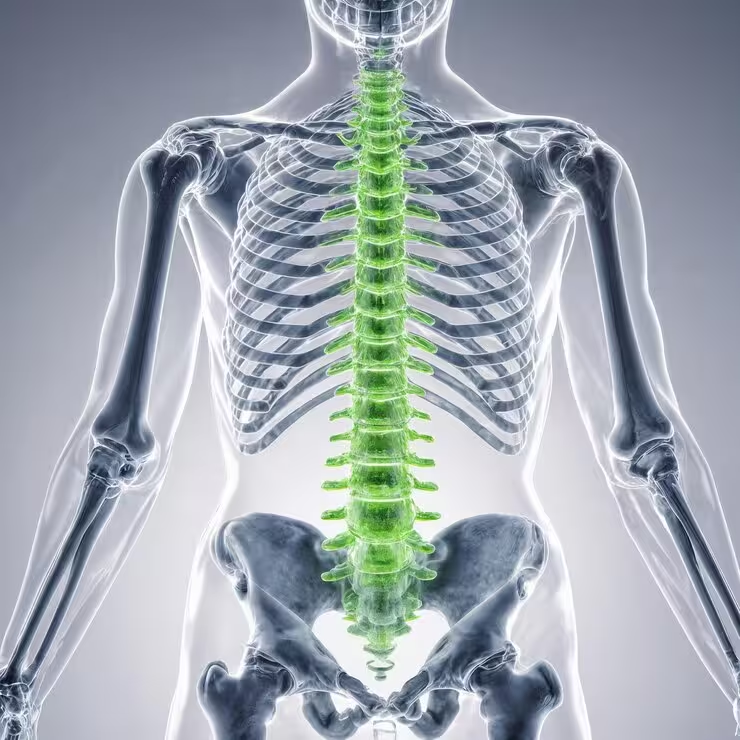
Endoscopic spine surgery is a minimally invasive surgical technique that uses an endoscope and specialised surgical instruments through a small working corridor to access selected spinal conditions. The technique may allow the surgeon to treat certain disc-related problems and nerve compression while limiting disruption to surrounding muscles and ligaments.

However, endoscopic spine surgery is not suitable for every spinal condition. The appropriate surgical technique depends on the location and cause of the problem, the patient's anatomy, imaging findings, and overall clinical condition. Patients from Gwalior who require an advanced spine evaluation can travel to Gurugram for consultation and treatment planning.
Notice for Patients Travelling from Gwalior: Dr. Dheeraj Batheja provides consultation and surgical care in Gurugram (Artemis Hospital Road, Sector 51, Haryana 122018). Due to travel distance, patients from Gwalior are encouraged to share previous MRI scans and medical records in advance so their visit and evaluation can be planned efficiently.
Travel Catchment from Gwalior & Surrounding Regions
Gwalior City Morena Dabra Shivpuri Datia Bhind Jhansi
Book Consultation in Gurugram
Endoscopic Discectomy Keyhole Nerve Decompression Working Corridor Spine Care High-Definition Endoscope Slipped Disc Treatment Sciatica Nerve Release Lumbar Spinal Stenosis Tissue-Preserving Surgery Earlier Mobilisation Targeted Decompression
Surgical Methodology

What Is Endoscopic Spine Surgery?

Endoscopic spine surgery uses a small camera, called an endoscope, to provide visual access to the affected area of the spine. Specialised instruments can then be introduced through the working channel to treat selected spinal problems.

Potential Advantages Over Open Procedures

Compared with some conventional open procedures, an endoscopic approach may involve:

  • A smaller surgical access point
  • Less disruption to surrounding muscles and tissues
  • Potentially less postoperative discomfort in appropriately selected patients
  • Earlier mobilisation in suitable cases
  • Potentially faster recovery in selected procedures

The goal is not simply to use the smallest possible incision. The primary consideration is whether an endoscopic approach can safely and effectively treat the patient's spinal condition.

Conditions Considered for Endoscopic Surgery

Endoscopic techniques may be considered for selected patients with:

  • Herniated or slipped disc
  • Nerve root compression
  • Sciatica caused by disc or nerve compression
  • Selected cases of spinal stenosis
  • Certain degenerative spinal conditions
  • Other appropriately selected disc-related conditions
*Artemis Hospitals lists endoscopic spine surgery as a minimally invasive option for selected disc problems and spinal stenosis.
Targeted Procedures

Endoscopic Treatments by Clinical Condition

Slipped Disc

Occurs when disc material moves beyond its normal position, causing back pain, leg pain, numbness, tingling, or weakness. Many cases initially improve conservatively. When surgery becomes appropriate, endoscopic discectomy is considered based on herniation size, location, and MRI correlation.

Focus: Precise Fragment Excision

Sciatica

Commonly occurs when a spinal nerve root is compressed, causing buttock pain, shooting leg pain, or weakness. Sciatica does not automatically require surgery. When persistent symptoms stem from a treatable structural cause, endoscopic techniques directly decompress the nerve root.

Focus: Relieving Root Compression

Spinal Stenosis

Narrowing around the canal or neural exit channels can cause leg pain, numbness, tingling, and difficulty standing or walking. While many patients are managed conservatively, selected candidates with significant narrowing undergo endoscopic decompression to free compressed nerves.

Focus: Canal & Foraminal Expansion

Endoscopic Discectomy

An ultra-minimally invasive procedure used to remove the selected portion of a herniated disc compressing a nerve. Considered for patients with persistent leg pain, correlating imaging, and inadequate relief from non-surgical treatments.

Focus: Targeted Optical Removal
Surgical Comparison

Endoscopic Spine Surgery vs. Open Spine Surgery

Endoscopic spine surgery and conventional open spine surgery are different surgical approaches. Endoscopic surgery is not automatically better than open surgery; the safest and most effective approach depends on the individual spinal condition.

Endoscopic Spine Surgery

Ultra-Minimally Invasive

May involve targeted keyhole access:

  • Small surgical access corridor
  • High-definition endoscope and specialised instruments
  • Less disruption to surrounding tissues in selected cases
  • Potentially earlier mobilisation and discharge

Conventional Open Surgery

Established Method

May be more appropriate when:

  • A larger surgical exposure is required for direct visualization
  • The underlying spinal condition is complex, multi-level, or a revision procedure
  • Significant decompression across multiple segments is necessary
  • Spinal instability or deformity requires a more extensive procedure
  • Instrumentation, fusion, or extensive reconstruction is needed
Clinical Protocol

Candidate Selection & Diagnostic Protocol

Clinical Criteria

Who May Be a Candidate for Endoscopic Surgery?

Endoscopic spine surgery may be considered for selected patients presenting with:

Persistent symptoms caused by structural spine problems
Disc herniation with nerve root compression
Sciatica related to a suitable disc problem
Certain forms of spinal stenosis
Symptoms resistant to appropriate conservative care
Imaging findings corresponding with clinical symptoms
A patient should not choose endoscopic surgery based solely on having a "slipped disc" or general back pain
Comprehensive Evaluation: The diagnosis, anatomy, and treatment requirements must first be evaluated before surgery is considered.
Diagnostic Protocol

How Is the Need for Endoscopic Surgery Diagnosed?

A spine consultation begins with a detailed medical history and physical examination, complemented by targeted imaging:

1

Magnetic Resonance Imaging (MRI)

Provides detailed information about discs, nerves, spinal stenosis, and soft-tissue structures.

2

Spine X-Rays

Help evaluate spinal alignment, bone structures, and certain degenerative or structural changes.

3

CT Scan (When Required)

Recommended in selected cases when more detailed information about the bony architecture is required.

4

Neurological Examination

Assessing muscle strength, sensation, reflexes, walking, and other neurological functions.

Comprehensive Diagnosis: The decision to perform endoscopic surgery is based on the combination of symptoms, examination, and imaging, rather than an MRI finding alone.
Doctor Credentials

Why Choose Dr. Dheeraj Batheja for Endoscopic Spine Surgery?

Dr. Dheeraj Batheja is a Senior Consultant – Ortho Spine Surgery at Artemis Hospitals, Gurugram, with a practice focused on spinal conditions and advanced surgical techniques.

Dr Dheeraj Batheja - Endoscopic Spine Surgery Senior Consultant – Artemis Hospitals

13+ Years of Spine Experience

Experience

Dr. Batheja has 13+ years of dedicated experience in spine surgery, radiculopathy, and nerve decompression.

5,000+ Spine Surgeries

Track Record

He has performed 5,000+ spine surgeries according to his current professional profiles.

Minimally Invasive & Endoscopic Expertise

Specialization

His areas of expertise include minimally invasive and endoscopic spine procedures. Artemis Hospitals lists him among its spine specialists and provides endoscopic spine surgery as part of its minimally invasive spine services.

Advanced Spine Training

Credentials

His professional training includes orthopaedic and spine education in India, spine-focused experience at Robert Jones and Agnes Hunt Orthopaedic Hospital in the UK, and advanced spine training through AO Spine.

Individualized Treatment Planning

Philosophy

Endoscopic surgery is not appropriate for every patient. Dr. Batheja's treatment approach involves assessing the underlying spinal problem and considering appropriate non-surgical and surgical options.

Post-Surgical Care

Recovery After Endoscopic Spine Surgery

Recovery after endoscopic spine surgery depends on the procedure performed and the patient's individual condition. Factors that affect recovery include the underlying spinal condition, location and severity of nerve compression, type of endoscopic procedure, duration of symptoms, overall health, and whether additional procedures are required.

Postoperative Guidelines for Patients:
  • Follow postoperative instructions carefully
  • Gradually increase physical activity
  • Perform prescribed exercises or physiotherapy
  • Avoid heavy lifting until advised by the surgeon
  • Maintain appropriate spinal posture
  • Attend scheduled follow-up appointments
*Some appropriately selected patients may mobilise earlier after minimally invasive procedures, but recovery should not be assumed to follow a fixed timeline. The surgeon will provide procedure-specific guidance regarding activity and return to routine.
Travelling from Gwalior? Bring previous MRI scans, X-rays, prescriptions, and medical reports to make your consultation efficient. Call Clinic
Location Clarification

Endoscopic Spine Surgery in Gurugram for Patients from Gwalior

Patients from Gwalior can travel to Gurugram for specialist evaluation and discussion of endoscopic spine surgery. This page is intended for patients searching for endoscopic spine treatment from Gwalior while making the actual treatment location clear.

The important distinction is: Gwalior = patient's location, and Gurugram = consultation and treatment location. Due to the travel distance, patients from Gwalior, Morena, Dabra, Shivpuri, Datia, and Bhind can share existing scans in advance to organize consultation and treatment smoothly.

Consultation Location: Artemis Hospital Road, Sector 51, Gurugram, Haryana 122018

Gwalior City Morena Dabra Shivpuri Datia Bhind Sheopur Jhansi Lalitpur Nearby Madhya Pradesh Gurugram
Patient Guidance

Frequently Asked Questions

Comprehensive answers regarding endoscopic spine procedures, diagnostics, candidate criteria, and travel from Gwalior to Gurugram.

Yes. Patients from Gwalior can consult Dr. Dheeraj Batheja for evaluation of conditions that may be suitable for endoscopic spine surgery. The consultation and treatment are provided in Gurugram.

No. His listed practice and hospital location is Gurugram. Patients from Gwalior who are suitable candidates can travel to Gurugram for consultation and surgery.

Depending on the diagnosis, endoscopic techniques may be considered for selected disc problems, nerve compression, certain cases of sciatica and selected spinal stenosis cases.

No. Some slipped discs improve without surgery, while others may require a different surgical approach. Suitability depends on the disc problem, symptoms, nerve compression and imaging findings.

Yes. Endoscopic spine surgery is a minimally invasive approach that uses an endoscope and specialised instruments through a small surgical access point.

Not necessarily. Endoscopic surgery can be beneficial for appropriately selected conditions, but more extensive problems may require conventional or other surgical approaches.

No. Many patients with sciatica improve with non-surgical treatment. Endoscopic surgery is considered only when there is an appropriate surgical indication and the underlying problem is suitable for the procedure.

Recovery varies depending on the procedure and the patient's condition. Some patients may mobilise earlier after minimally invasive surgery, but the recovery timeline should be determined by the treating surgeon.

Bring previous MRI or CT scans, X-rays, prescriptions, medical reports and details of previous treatment, if available.

Patients from Gwalior can consult Dr. Dheeraj Batheja at Artemis Hospital Road, Sector 51, Gurugram, Haryana 122018.

Take the Next Step

Consult Dr. Dheeraj Batheja in Gurugram

If you have persistent back pain, sciatica, leg pain, numbness, tingling or symptoms related to a slipped disc or nerve compression, an appropriate diagnosis should come before deciding on surgery. Patients from Gwalior can consult Dr. Dheeraj Batheja in Gurugram to determine whether conservative treatment, endoscopic spine surgery, minimally invasive surgery or another treatment approach is appropriate.

Consultation Clinic: Artemis Hospital Road, Sector 51, Gurugram, Haryana 122018